
Is Your Period Normal? What Every Woman Should Be Tracking
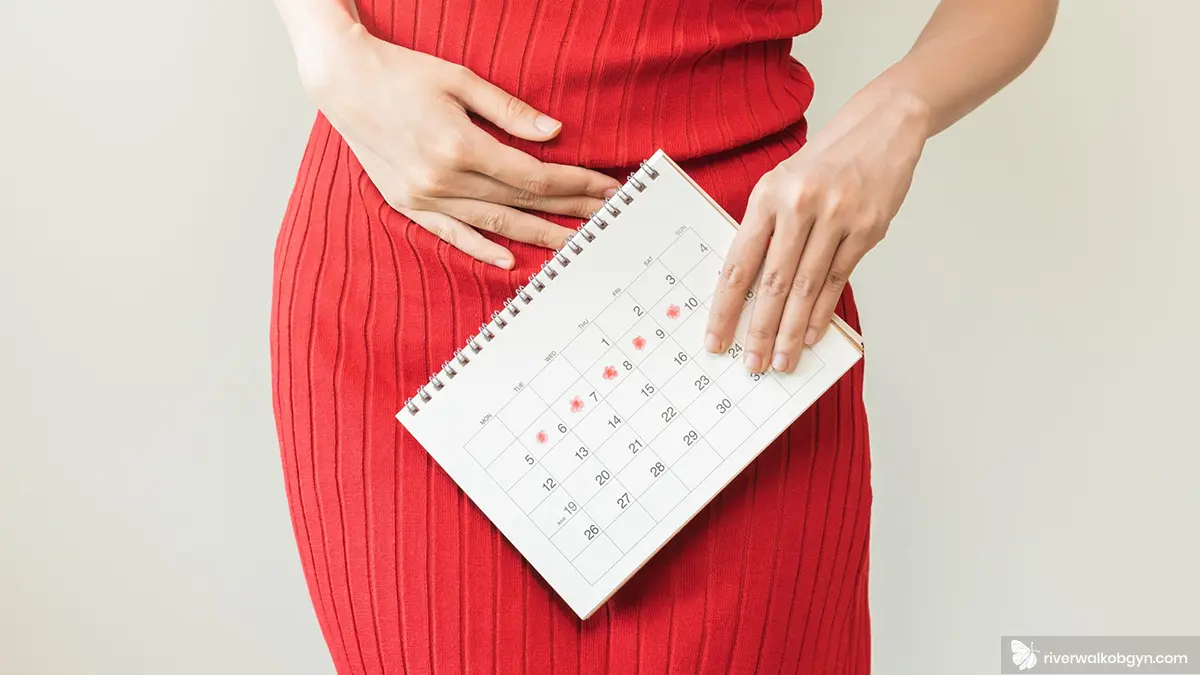

For many women, their period is something they deal with quietly; sometimes inconvenient, sometimes painful, and often confusing. Yet your menstrual cycle is one of the most important indicators of overall health. Understanding what a normal menstrual cycle looks like can help you catch potential issues early and feel more in control of your body.
At Riverwalk Women’s Health in San Antonio, providers encourage women of all ages to track their cycles and ask questions because no concern is too small when it comes to your reproductive health.


What Is Considered a Normal Menstrual Cycle?
A normal menstrual cycle is not the same for everyone, but there are general guidelines doctors use as a reference. For example, cycle length which is typically 21-35 days for adults. And 21-45 days for teens. The period length is usually 3 to 7 days with consistent flow from cycle to cycle, not excessively heavy or unusually light.
In general, symptoms can include cramping, bloating, or fatigue that doesn’t interfere with daily life. If your cycle generally follows a predictable pattern, even if it’s not exactly 28 days, it may still be completely normal.
Why Tracking Your Period Matters
Tracking your cycle isn’t just about knowing when to carry supplies. It helps you notice patterns and changes that may signal hormonal shifts or health concerns. When you track consistently, you and your OBGYN can better understand things. For example, hormonal balance, ovulation timing, fertility windows, stress or lifestyle impacts on your body, and early signs of gynecologic conditions.
Many patients at Riverwalk Women’s Health bring cycle data to appointments, making conversations more productive and personalized.
What Every Woman Should Be Tracking
Whether you use a phone app, calendar, or journal, here are the key things to note each month:
1. Cycle Length
Count from the first day of your period to the first day of the next one. Irregular timing, skipped periods, or cycles that suddenly shorten or lengthen may be worth discussing with your provider.
2. Flow Intensity
Ask yourself if you’re soaking through pads or tampons every hour? Are you passing large clots? Has your flow changed dramatically? Heavy or prolonged bleeding is not a normal menstrual cycle and should be evaluated.
3. Pain Levels
Some cramping is normal, but severe pain that causes missed work, school, or daily activities isn’t something you have to “push through.” Painful periods can be linked to conditions like endometriosis or fibroids.
4. Spotting or Bleeding Between Periods
Light spotting can happen occasionally, but frequent or unexplained bleeding between cycles isn’t typical and should be checked.
5. PMS and Mood Changes
Tracking emotional symptoms such as anxiety, irritability, or depression can help identify PMS or PMDD (premenstrual dysphoric disorder), which is more intense and treatable.
When a Period Isn’t “Normal”
It’s time to talk to an OBGYN if you experience:
- Periods that stop for 3 months or more (and you’re not pregnant)
- Extremely heavy bleeding
- Severe pelvic pain
- Cycles shorter than 21 days or longer than 35 days
- Sudden changes after years of regular cycles
Many women assume these changes are just “part of being a woman,” but they don’t have to be ignored.
How Our Provider Can Help
Bringing a few months of tracking notes to your appointment will help offer a clearer picture of what’s happening. It can help:
- Confirm that your period looks healthy and typical for you
- Identify possible causes of heavy, painful, or irregular periods
- Recommend tests, treatment, or lifestyle changes if needed
- Tailor birth control or other options to your cycle and symptoms
Knowing what a normal menstrual cycle looks like for you and tracking changes over time empowers you to advocate for your health. You deserve to feel informed and supported when it comes to your menstrual health. If you have questions or notice changes that worry you, you don’t have to figure it out on your own. Contact us today at Riverwalk Women’s Health or call (210) 402-6022 to make an appointment. We’re here to help.
You may also enjoy reading: Managing Vaginal Dryness
Related Posts

Preparing for Pelvic Organ Prolapse Surgery: What Happens and How to Recover
When prolapse causing symptoms significantly affect daily life, such as pain, discomfort, or difficulty with…

Hot Flashes During Perimenopause and Menopause: Causes and Relief Options
Hot flashes can feel like they come out of nowhere. One minute you’re fine, the…