
Pelvic Pain in Women: 7 Possible Causes and When to See an OB-GYN
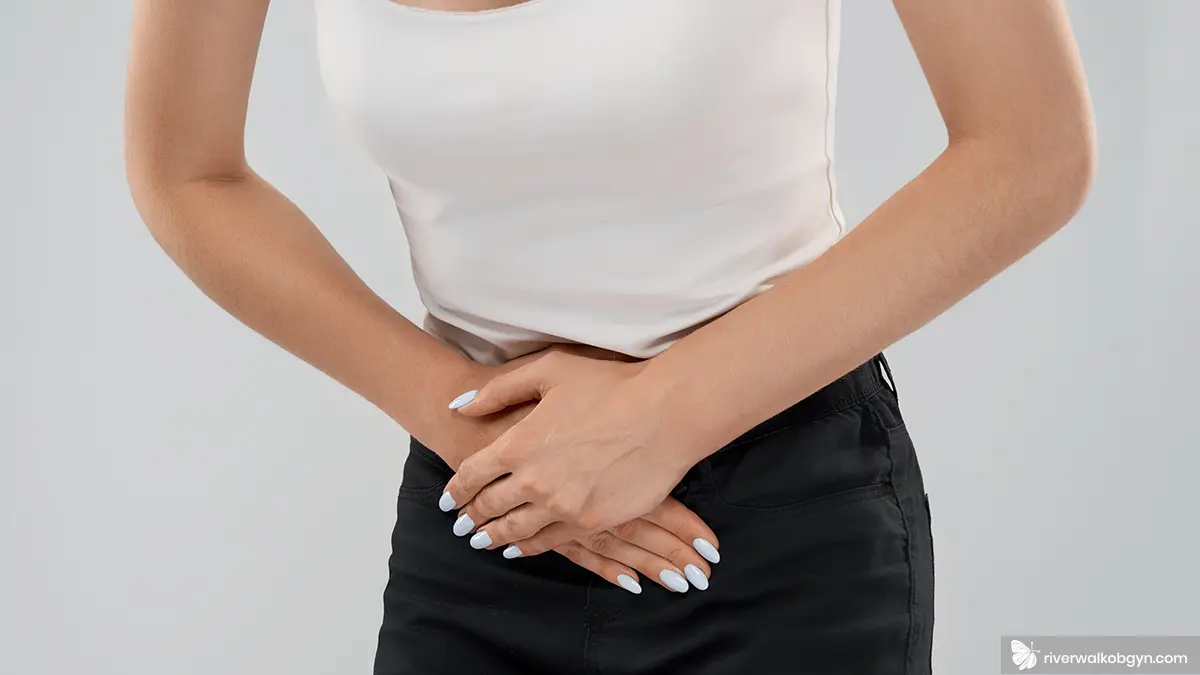

For women, pelvic pain can be mild and temporary, or it can interfere with your everyday life. Sometimes the cause is easy to identify. Other times, determining what is behind the discomfort requires a closer evaluation.
Pelvic pain in women can be related to the reproductive organs, urinary system, digestive system, or pelvic muscles. Because so many conditions can cause similar symptoms, persistent or severe pain should not simply be ignored.
Understanding some common causes can help you recognize when it is time to talk with your OB-GYN.


What Does Pelvic Pain in Women Feel Like?
Pelvic pain occurs in the lower abdomen and pelvic region. The discomfort can feel different depending on its cause. Some women experience a dull ache or feeling of pressure. Others notice cramping, sharp pain, or discomfort that comes and goes. You may also notice that the pain becomes worse during your period, sexual intercourse, urination, or bowel movements.
Doctors generally describe pelvic pain as either acute or chronic. Acute pain develops suddenly and lasts for a relatively short period. Chronic pelvic pain lasts six months or longer and may be constant or intermittent. With this in mind, here are seven possible causes of pelvic pain in women that your doctor may consider.
1. Menstrual Cramps
Period cramps are one of the most familiar causes of pelvic discomfort. During menstruation, the uterus contracts as it sheds its lining. These contractions can cause lower abdominal and pelvic cramping.
Mild to moderate cramping can be normal. However, severe menstrual pain deserves attention, especially when it interferes with work, school, sleep, or normal activities. Increasingly painful periods can sometimes indicate another gynecologic condition.
2. Endometrosis
Endometriosis occurs when tissue similar to the lining of the uterus grows outside the uterus. Symptoms vary considerably from one woman to another. Pelvic pain is one of the most common symptoms.
You might experience painful periods, discomfort during sex, or pain with bowel movements or urination. Some women also have difficulty becoming pregnant. Pelvic pain that becomes progressively worse around your menstrual cycle should be discussed with your gynecologist.
3. Ovarian Cysts
Ovarian cysts are fluid-filled sacs that can develop on or inside an ovary. Many cysts are harmless and disappear without treatment. In fact, some women never know they have one. However, certain ovarian cysts can cause pelvic pressure, bloating, or pain. Symptoms may occur on one side of the lower abdomen. Sudden and severe pain requires prompt medical attention because a cyst can occasionally rupture or cause the ovary to twist.
4. Uterine Fibroids
Fibroids are noncancerous growths that develop in or around the uterus. Some women with fibroids have no noticeable symptoms. Others experience heavy periods, pelvic pressure, frequent urination, constipation, or lower back discomfort.
Larger fibroids can create a feeling of fullness or pressure in the pelvic area. Treatment depends on your symptoms, the size and location of the fibroids, and your reproductive goals.
5. Pelvic Inflammatory Disease
Pelvic inflammatory disease, commonly called PID, is an infection involving the female reproductive organs. Symptoms can include lower abdominal or pelvic pain, fever, abnormal vaginal discharge, or discomfort during sex. However, PID does not always produce obvious symptoms. Early diagnosis is important because untreated PID can lead to complications, including chronic pelvic pain and fertility problems.
6. Bladder and Urinary Conditions
Not every source of pelvic pain begins with the reproductive system. Urinary tract infections, kidney stones, and certain bladder conditions can cause discomfort in the pelvic region. Pay attention to other symptoms occurring with the pain. Frequent urination, urinary urgency, burning, or blood in the urine can provide important clues. Your doctor can determine whether your symptoms may be gynecologic, urinary, or related to another condition.
7. Pelvic Floor Problems
The muscles supporting your pelvic organs can also contribute to pain. Pelvic floor muscles may become tight, weak, irritated, or difficult to relax. This can cause pelvic discomfort as well as pain during sex, urination, or bowel movements.
Pregnancy, childbirth, surgery, injuries, and other conditions can affect the pelvic floor. Depending on the cause, treatment may include pelvic floor physical therapy or other therapies recommended by your healthcare provider.
When Should You See an OB-GYN for Pelvic Pain?
Occasional mild discomfort does not always indicate a serious medical problem. However, make an appointment if pelvic pain keeps returning, becomes progressively worse, or begins interfering with your normal activities.
You should also discuss pain accompanied by symptoms such as abnormal bleeding, unusual vaginal discharge, painful intercourse, urinary problems, or increasingly painful periods. Sudden severe pelvic pain may require urgent medical evaluation, particularly when accompanied by heavy bleeding, fever, fainting, dizziness, or possible pregnancy.
How Is Pelvic Pain Diagnosed?
Finding the cause of your pelvic pain begins with understanding your symptoms. Your OB-GYN may ask where the pain occurs, when it started, and whether anything makes it better or worse. Your menstrual cycle, medical history, pregnancies, medications, and other symptoms can also provide important information.
Depending on your symptoms, your evaluation may include a physical or pelvic examination. Your doctor may also recommend laboratory testing or imaging such as an ultrasound. Keeping notes about when your symptoms occur can be surprisingly useful. Record whether the pain changes around your period, during sex, after eating, or while using the bathroom. These details can help your doctor narrow down possible causes.
Don’t Assume Pelvic Pain Is Something You Have to Live With
Pelvic pain in women can be difficult to discuss, especially when you have experienced it for months or even years. But recurring pain deserves an explanation.
At Riverwalk Women’s Health, our San Antonio OB-GYNs provide comprehensive gynecologic care for women throughout different stages of life. We can evaluate your symptoms, identify possible causes, and discuss treatment options based on your individual needs.
If persistent pelvic pain is interfering with your comfort or everyday activities, schedule an appointment with Riverwalk Women’s Health in San Antonio, TX.
You may also enjoy reading: Mental health during fertility treatment
Related Posts

Bacterial Vaginosis vs. Yeast Infection: How to Tell the Difference
Something feels different down there, and now you are wondering what is going on. Maybe…

How to Protect Your Mental Health During Fertility Treatment
Fertility treatment can bring hope and excitement, but it can also be emotionally demanding. Appointments,…